
How to Choose the Right Retail POS Software

In today’s retail world, the Point-of-Sale (POS) system is far more than just a digital cash register. It has become the command center of modern retail operations, powering everything from transactions to customer engagement and back-office efficiency.
At its core, a POS system allows retailers to process sales, accept payments, and issue receipts, but the best solutions go well beyond checkout.
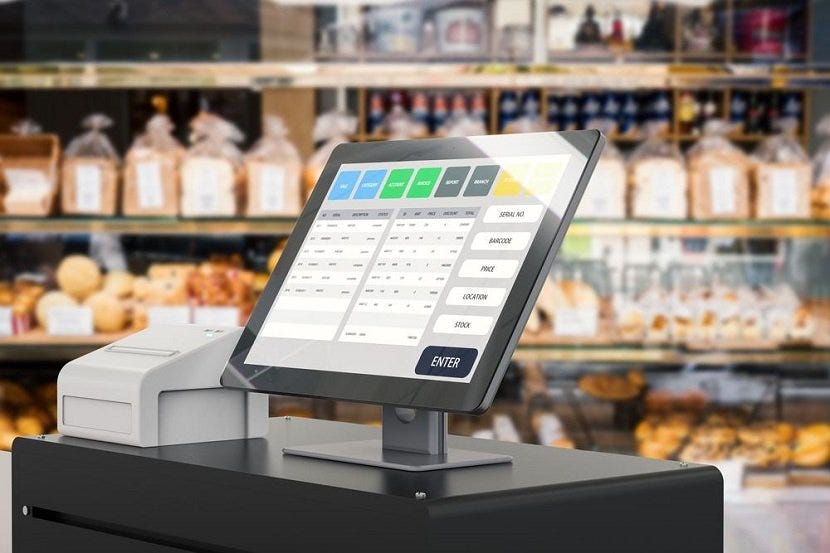
Modern cloud-based POS platforms combine hardware (like card readers, barcode scanners, and receipt printers) with software that ties together critical functions, such as:
Sales Transactions: Seamlessly process in-store, online, and mobile sales.
Inventory Management: Track products in real-time, manage stock levels, and trigger automated reorders.
Customer Relationship Management (CRM): Collect purchase history, manage loyalty programs, and personalize offers.
Reporting & Analytics: Deliver actionable insights into sales performance, employee productivity, and demand trends.
Omnichannel Operations: Sync sales and inventory across physical locations, e-commerce, and marketplaces.
For retailers, the POS system has evolved into the hub that connects front-of-house operations with back-office strategy.
The right choice not only simplifies day-to-day tasks but also fuels growth by giving managers better visibility, enabling faster decisions, and creating smoother customer experiences.
Choosing a POS isn’t just about picking software, it’s about selecting a platform that aligns with your business model, growth stage, and customer expectations.
That’s why it’s critical to evaluate both your current needs and future ambitions when investing in one.
Keep reading with a 7-day free trial
Subscribe to THE RETAIL STACK to keep reading this post and get 7 days of free access to the full post archives.